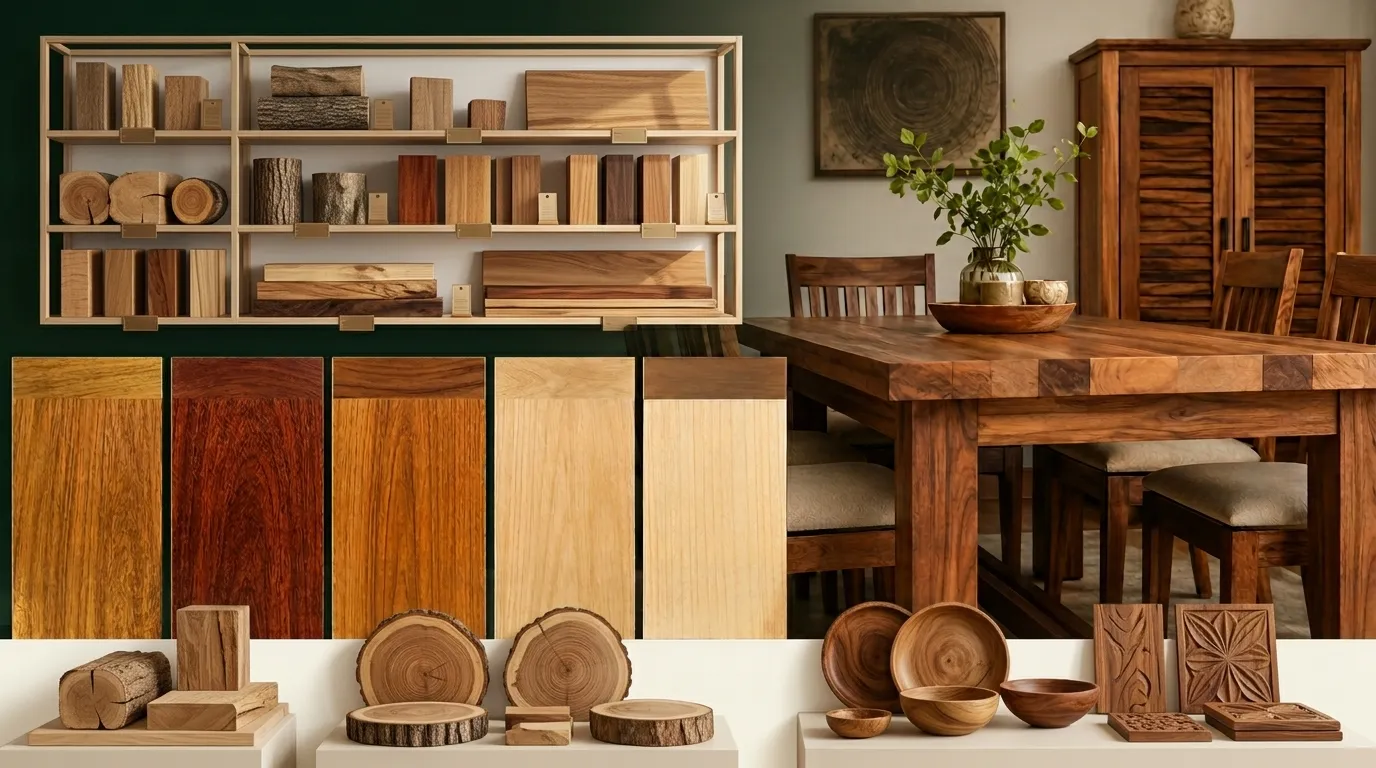
When buying furniture in Nigeria, most people focus on the design, colour, or price. However, one factor often determines whether a piece lasts five years or twenty years: the type of wood used to build it.
Nigeria's climate presents unique challenges for furniture. High humidity in many southern regions can encourage swelling, mould, and wood decay, while the dry Harmattan season can cause poorly prepared wood to crack or shrink. Add termites and other wood-boring insects into the mix, and choosing the right wood becomes one of the most important furniture-buying decisions you can make.
Whether you're buying a wardrobe, dining table, kitchen cabinet, or custom-made furniture, understanding the strengths and weaknesses of different wood types can help you make a smarter investment.
Why Wood Type Matters
Not all wood is created equal.
Some furniture is made from solid hardwood, while others use engineered materials such as MDF, plywood, or particleboard. Each material has its place, but the material's quality and how it is used greatly affect durability.
For furniture expected to withstand years of daily use, especially in Nigerian conditions, solid hardwoods are often preferred because of their strength, longevity, and natural resistance to environmental stress.
That said, the quality of construction is just as important as the wood itself. A poorly built wardrobe made from premium timber may fail sooner than a well-crafted piece made from a more affordable wood.
1. Iroko: The Durability Champion
Often called "African Teak," Iroko is one of the most respected hardwoods available in West Africa. It is known for its strength, density, and impressive resistance to insects and moisture.
Appearance
Freshly cut Iroko typically has a yellowish-brown appearance that gradually darkens into a rich golden-brown shade over time.
Best Uses
- Dining tables
- Front and exterior doors
- Staircases
- Heavy-duty cabinets
- Outdoor furniture
Why Buyers Choose It
Iroko contains natural compounds that make it highly resistant to termites and decay. Because of this, it is often considered one of the best long-term investments for homeowners seeking durable furniture.
Potential Drawbacks
Iroko is usually more expensive than common furniture woods and can be heavier to transport and install.
2. Mahogany: The Elegant Classic
Mahogany has long been associated with premium furniture because of its rich appearance and excellent finishing qualities.
Appearance
Mahogany is known for its beautiful reddish-brown colour and attractive grain patterns. With proper polishing, it develops a luxurious, timeless look.
Best Uses
- Bed frames
- Wardrobes
- Bookshelves
- Office desks
- Display cabinets
Why Buyers Choose It
Mahogany combines strength with elegance. It is durable, relatively stable, and ideal for furniture that serves both functional and decorative purposes.
Potential Drawbacks
High-quality mahogany furniture often commands premium prices, particularly when crafted by experienced furniture makers.
3. Teak: The Premium Moisture-Resistant Choice
Although originally native to Asia, teak has been cultivated in Nigeria for many years and remains one of the world's most sought-after furniture woods.
Appearance
Teak features a warm golden-brown colour with straight, uniform grain patterns.
Best Uses
- Kitchen cabinets
- Bathroom vanities
- Outdoor furniture
- Garden benches
- Luxury furniture pieces
Why Buyers Choose It
Teak naturally contains oils that help protect it from moisture, decay, and weather-related damage. This makes it particularly suitable for outdoor use and high-moisture environments.
Potential Drawbacks
Teak is often among the most expensive furniture woods available on the market.
4. Gmelina: The Practical Budget Option
Gmelina is widely grown in Nigerian plantations and has become a popular choice for affordable furniture.
Appearance
It has a light yellowish colour and a relatively smooth texture.
Appearance
Best Uses
- Wardrobes
- Shelving
- School furniture
- Office furniture
- Budget-conscious projects
Why Buyers Choose It
Gmelina offers a good balance between affordability and usability. It holds nails and screws reasonably well and can produce attractive furniture when properly finished.
Potential Drawbacks
It is softer than hardwoods such as Iroko and Mahogany and generally requires proper treatment to improve resistance to insects and moisture.
5. Obeche: Lightweight and Affordable
Obeche, sometimes called African Whitewood, is commonly used where lightweight construction is important.
Appearance
Pale cream to light yellow in colour with a fine, uniform texture.
Best Uses
- Upholstery frames
- Decorative panels
- Ceiling work
- Lightweight furniture components
Why Buyers Choose It
It is easy to cut, shape, and carve, making it attractive for furniture makers.
Potential Drawbacks
Obeche is less durable than most hardwoods and requires proper treatment to protect it from insects and environmental damage.
Wood Quality Is Only Half the Story
Many furniture buyers focus exclusively on wood type, but several other factors determine how long furniture will last.
Before making a purchase, pay attention to:
Proper Seasoning
Wood should be adequately dried before construction. Poorly seasoned timber is more likely to warp, crack, or shrink after installation.
Quality Joinery
Strong joints often matter more than expensive wood. Check corners, hinges, drawer runners, and connection points.
Finishing
Good paint, varnish, or polish helps protect furniture from moisture, stains, and everyday wear.
Craftsmanship
The experience and skill of the carpenter or manufacturer can significantly influence the lifespan of the furniture.
How to Verify What Wood You're Actually Buying
Many buyers are told they are purchasing Iroko or Mahogany when a different wood is actually being used.
To protect yourself:
- Ask to see unfinished timber before production begins.
- Request photos during construction if ordering custom furniture.
- Ask for the wood type to be written on the invoice or quotation.
- Compare prices from multiple furniture makers.
- Be cautious of unusually cheap "premium hardwood" offers.
Quick Buyer's Checklist
Before paying for furniture, inspect the following:
✓ The furniture feels sturdy and well-balanced.
✓ Joints are tight with no visible gaps.
✓ Drawers open and close smoothly.
✓ There are no signs of cracking around connection points.
✓ The finish is even and consistent.
✓ The seller can clearly identify the wood species used.
✓ The furniture has been properly seasoned and treated.
Durability and Cost Comparison
| Wood Type | Durability | Termite Resistance | Cost Level | Best For |
| Iroko | Outstanding | Very High | Premium | Dining Tables, Doors |
| Mahogany | Excellent | High | High | Beds, Wardrobes |
| Teak | Exceptional | High | Premium | Kitchens, Outdoor Furniture |
| Gmelina | Moderate | Medium | Affordable | Shelving, Wardrobes |
| Obeche | Low to Moderate | Low | Budget | Upholstery Frames |
Final Verdict
If your priority is maximum durability and long-term value, Iroko remains one of the best furniture woods available in Nigeria.
If you're looking for beauty and elegance, Mahogany is difficult to beat.
For moisture-exposed areas, Teak is often the premium choice.
For budget-conscious buyers, Gmelina offers a practical balance between cost and performance.
Regardless of the wood you choose, remember that proper seasoning, quality craftsmanship, and good finishing are just as important as the timber itself. The best furniture is not simply made from good wood—it is made well.
Taking the time to inspect materials and workmanship before buying can save you significant repair and replacement costs in the future.
Buying quality furniture is a one-time investment; buying cheap is a recurring subscription.